A new wave of coffee machines — the Ninja Luxe Café and Ninja DualBrew among the most searched — advertise “cold brew” as a mode alongside espresso and drip coffee, delivered in minutes rather than the 12–24 hours traditional cold brew requires. That speed comes from a genuinely different process, and understanding the difference will save you from expecting steeped-cold-brew flavor out of a rapid machine, or vice versa.
How Traditional Cold Brew Works
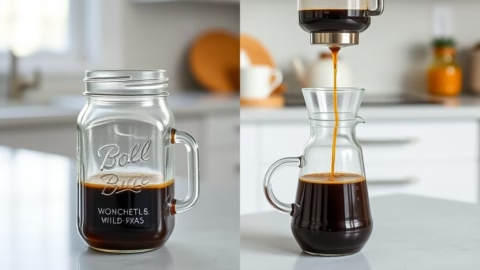
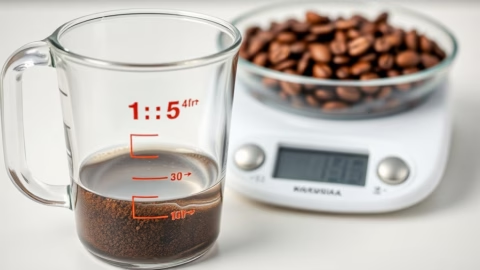
True cold brew is made by steeping coarsely ground coffee in cold or room-temperature water for 12–24 hours (see our cold brew ratio guide for the standard method). The slow, passive extraction at cold temperature is what produces cold brew’s signature smooth, low-acid, naturally sweet character — cold water is selective about which flavor compounds it pulls from the grounds, and time is the only way to achieve that extraction without heat.
How “Rapid” Cold Brew Machines Work
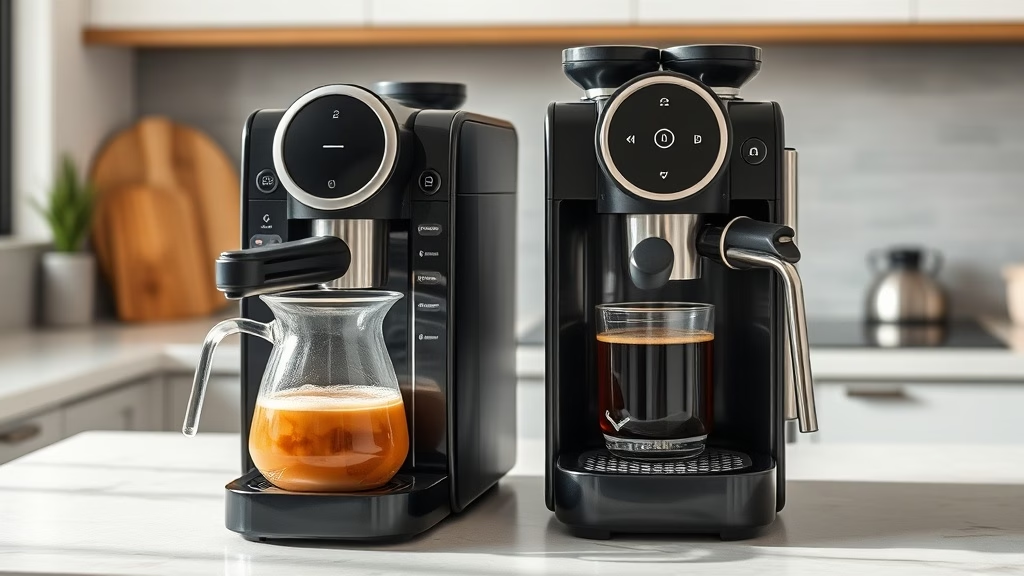
Machines marketed with a rapid cold brew function — the Ninja DualBrew’s Rapid Cold Brew mode is a clear example, producing a single cup in under 10 minutes and a full carafe in under 20 — use a fundamentally different mechanism. Rather than a long cold steep, these systems typically use a fast, hot-adjacent extraction process (often a quick, concentrated hot or warm brew) followed by rapid cooling or dilution, engineered to approximate cold brew’s flavor profile without the multi-hour wait.
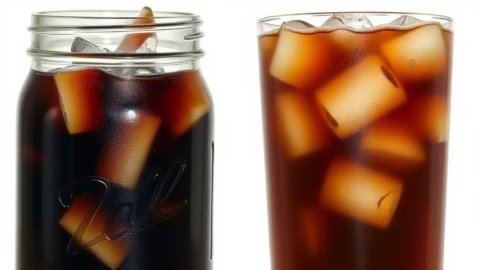
This is a real engineering achievement for convenience, but it’s chemically not the same process as a 12-24 hour cold steep, and the flavor result reflects that: rapid-brewed “cold brew” tends to taste closer to a chilled, smooth iced coffee than to the deeply mellow, syrupy character of true steeped cold brew concentrate. Neither is objectively better — they’re different products serving different needs.
The Ninja Luxe Café: A Different Category Entirely
The Ninja Luxe Café Premier (model ES601) is worth understanding on its own terms — it’s fundamentally an all-in-one espresso machine (built-in conical burr grinder, 25 grind settings, a dual froth system for milk drinks, an assisted tamper) that happens to include cold brew as one of several brew modes alongside espresso and drip coffee. If you’re specifically shopping for a dedicated cold brew maker, a machine like this is solving a much broader problem (espresso, lattes, drip coffee, and cold brew all in one unit) at a correspondingly higher price point than a simple steeping vessel.
Which Should You Buy?
- Choose a traditional steeping method or maker (see our tested cold brew maker picks) if you specifically want the smooth, low-acid, concentrate-style flavor that defines classic cold brew, and don’t mind planning a day ahead.
- Choose a rapid-brew machine if convenience and same-day availability matter more than replicating the exact traditional flavor profile, or if you want one machine that also handles espresso and hot coffee — the Ninja Luxe Café and DualBrew both fit this use case.
- Consider both aren’t mutually exclusive. Some people keep a pitcher of traditionally steeped concentrate in the fridge for daily use (see our concentrate guide) while using a rapid machine for espresso-based drinks or when they run out and need coffee immediately.
What to Check Before Buying a Rapid Cold Brew Machine
- Read reviews specifically about the cold brew mode, not just the machine overall — a machine can excel at espresso while its rapid cold brew mode is merely average, since it’s often a secondary feature rather than the product’s core design focus.
- Check reservoir size and brew sizes if you want to batch-brew for the week rather than single servings — some rapid machines are optimized for single-cup convenience rather than large-format batches.
- Factor in the full price — multi-function machines like the Luxe Café cost significantly more than a dedicated cold brew steeper, so the cold brew function alone rarely justifies the price if that’s the only mode you’d actually use.
See our cold brew caffeine breakdown for how caffeine content can also vary between rapid and traditional extraction methods, since extraction time affects more than just flavor.