Cold brew and cold drip are both made with cold water, but they use fundamentally different extraction methods and produce noticeably different results. The confusion is understandable — specialty coffee shops sometimes use the terms loosely — but the distinction matters if you are trying to decide which brewing approach fits your taste preferences and schedule.
Cold brew: immersion extraction
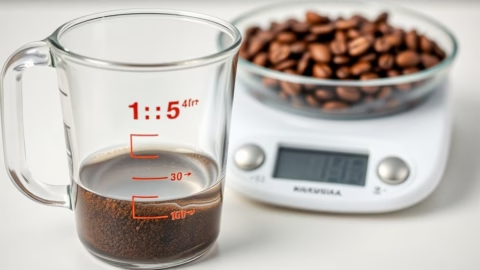
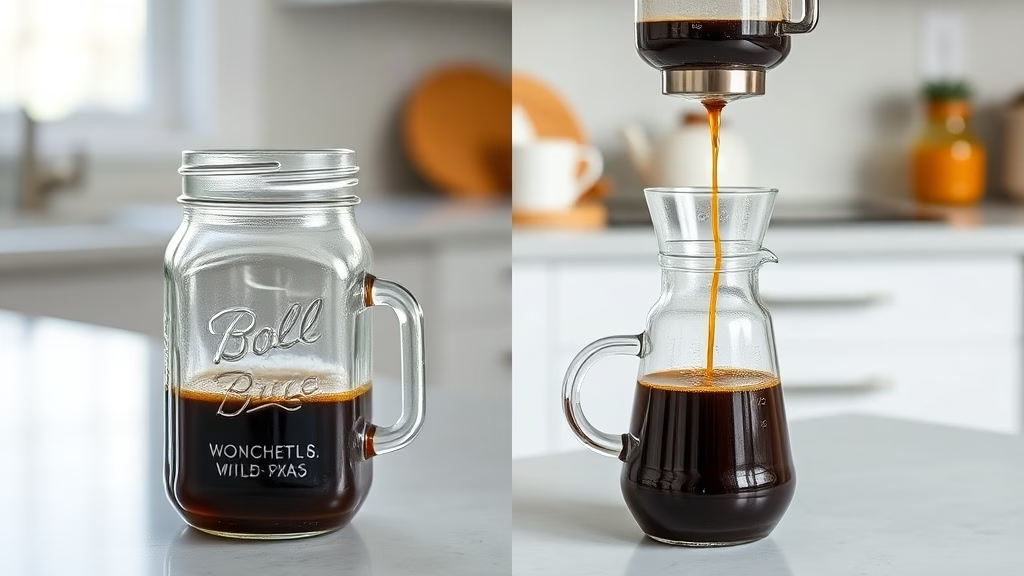
Cold brew is made by immersing coarsely ground coffee in cold or room-temperature water for an extended period — typically 12–24 hours. The grounds sit in the water for the full steep time, and extraction happens by diffusion: flavor compounds slowly migrate from the grounds into the water.
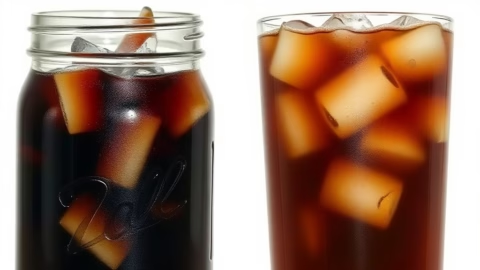
This slow, passive extraction produces a concentrate that is characteristically smooth, low-acid, and sweet. The cold water selectively extracts the sweeter, chocolatey flavor compounds in coffee while leaving behind many of the acidic and volatile aromatic compounds that give hot coffee its brightness. The result is a forgiving, consistent product that is easy to make at home in large batches.
Cold drip: slow percolation
Cold drip (also called Dutch coffee or Kyoto-style coffee) uses cold water dripping through coffee grounds one drop at a time, typically over 4–8 hours. The water drips through a tower setup — water reservoir at the top, grounds in the middle, collection vessel at the bottom. Because the extraction is continuous (fresh water always moving through the grounds) rather than immersion-based (grounds sitting in water), it is a fundamentally different chemical process.
Cold drip tends to produce a brighter, more aromatic cup than cold brew — it extracts more of the volatile aromatics that immersion brewing leaves behind. The result is less sweet and smooth than cold brew concentrate, but more complex and nuanced.
Which should you use?
Cold brew is the better choice if:
- You want to make a large batch with minimal effort
- You prefer smooth, chocolatey, low-acid coffee
- You want a concentrate for cold brew lattes, cocktails, or mixed drinks
- You are making coffee for multiple people for the week
Cold drip is the better choice if:
- You want a more complex, aromatic cold coffee experience
- You enjoy single-origin coffees and want to taste their specific characteristics
- You are willing to invest in specialized equipment (cold drip towers are not cheap)
- You prefer a smaller, fresher batch each time
Equipment
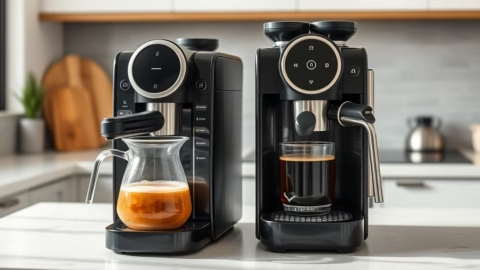
Cold brew requires only a container, a coarse grind, and patience — a mason jar and a paper filter work, though dedicated cold brew makers produce cleaner results faster. Cold drip requires a purpose-built tower, which is a significant investment compared to a basic cold brew maker.
For most home coffee drinkers, cold brew is the practical starting point. See our cold brew maker reviews for recommendations at every budget level.