Cold brew caffeine is one of the most misunderstood numbers in coffee, and as someone who has steeped more batches than I can count, I get the question almost daily: is cold brew stronger? The honest answer is usually yes, but with a big asterisk. The figure on the can, the concentrate in your fridge, and the diluted glass on your counter can be three very different things. Let me walk you through the real ranges, why they vary, and how to read a label without getting fooled.
The honest answer about cold brew caffeine
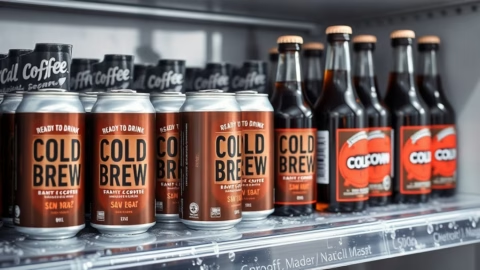
Cold brew is usually brewed strong, so a typical 16 oz (one-pint) can or ready-to-drink serving can run high, roughly 150-240 mg of caffeine. That is an approximate, variable range, not a promise. Undiluted cold brew concentrate is higher still, because it is meant to be cut with water or milk before you drink it. A single diluted serving, on the other hand, can land much lower, sometimes well under 150 mg.
So the same coffee can read as light or potent depending entirely on how it is poured. When you see a scary number online, ask one question first: was that concentrate, a full can, or a finished cup?
Why cold brew often has more caffeine than hot coffee
Two things push cold brew caffeine up. First, the brew ratio: cold brew typically uses far more coffee per unit of water than a hot drip pot, sometimes two to three times as much ground coffee. Second, the steep: cold brew sits for 12-24 hours, giving water a long, patient window to pull caffeine from the grounds.
That combination is why an undiluted batch can out-punch a mug of drip. But it depends heavily on dilution. Cut that concentrate one-to-one with water and the per-ounce number drops fast. Cold brew is not magically caffeinated; it is just brewed concentrated and then, ideally, watered back down. If you want to see how those numbers move, our cold brew ratio guide breaks it down.
Cold brew caffeine compared to other coffee drinks
Here are commonly cited, approximate ranges. Caffeine content varies widely by bean, roast, ratio, steep time, and dilution, so treat these as ballparks, not lab values.
| Drink | Typical serving | Approximate caffeine (varies) |
|---|---|---|
| Cold brew concentrate (undiluted) | 8 oz | ~200-400 mg |
| Diluted cold brew (concentrate cut with water) | 8 oz | ~80-150 mg |
| Ready-to-drink cold brew can | 16 oz | ~150-240 mg |
| Drip coffee | 8 oz | ~80-120 mg |
| Espresso | 1 oz (single shot) | ~60-80 mg |
| Nitro cold brew | 11-12 oz | ~200-325 mg |
Notice that espresso looks small only because the serving is tiny. Ounce for ounce it is intense; cup for cup, a big cold brew often wins. For more on how brewing method changes the experience, see our take on cold brew vs iced coffee.
What actually affects cold brew caffeine
Four levers matter most. The coffee-to-water ratio is the biggest one: more grounds per cup means more caffeine extracted. Steep time adds to it, since a longer cold soak keeps pulling compounds from the beans. The bean and roast play a role too, though the differences between roast levels are smaller than the internet suggests.
And then there is dilution, the lever most people forget. How you finish the drink, whether you pour it neat over ice or cut it with water and milk, can change the caffeine in your glass more than any other single factor. If you want a strong batch, brew a higher ratio. If you want it gentle, cut it more.
Putting cold brew caffeine in daily context
For healthy adults, the FDA points to about 400 mg of caffeine per day, roughly four or five cups of coffee, as an amount not generally associated with dangerous effects, while noting that sensitivity and metabolism vary widely from person to person. You can read the agency’s overview on its caffeine guidance page.
This is informational, not medical advice. If you are pregnant, sensitive to caffeine, or managing a health condition, your number is your own, and a conversation with a clinician beats any blog post, including this one. The practical takeaway: a single big cold brew can be a meaningful share of a day’s caffeine, so pace yourself, especially in the afternoon.
Cold brew caffeine FAQ
Does cold brew have more caffeine than iced coffee?
Often yes, because cold brew is brewed at a higher coffee-to-water ratio, while iced coffee is usually regular hot-brewed coffee poured over ice. But a heavily diluted cold brew can land right alongside a standard iced coffee.
Is cold brew concentrate safe to drink straight?
It is meant to be diluted. Concentrate undiluted can deliver a large dose of cold brew caffeine in a small glass, so most people cut it with water, milk, or a milk alternative before drinking.
How much caffeine is in a can of cold brew?
It varies by brand and size, but a 16 oz ready-to-drink can commonly falls around 150-240 mg. Always check the label, since formulations differ and we never guess specific brand numbers for you.
Does longer steeping mean more caffeine?
Generally a longer steep extracts more, but the gains taper off and can muddy the flavor. Ratio and dilution usually move the final number more than an extra few hours of steeping.
The bottom line on cold brew caffeine
Cold brew caffeine is high because of how it is made, a generous ratio and a long, cold steep, but the number in your glass is ultimately yours to control through dilution. Read labels as approximate, treat concentrate with respect, and remember that a giant can is a real part of your daily total. Want a starting point for a great-tasting, sensible pour? Browse our best ready-to-drink cold brew guide, or check out a reliable everyday option like Stumptown cold brew RTD.