If you’ve mastered cold brew coffee, cold brew tea might seem like the same process with different leaves dropped in — but the ratios and timing are meaningfully different, and treating tea like coffee produces either a weak, flavorless cup or a bitter, over-extracted one. Here’s what actually changes.
Why Tea and Coffee Cold Brew Differently
Coffee is steeped at a relatively high grounds-to-water ratio (roughly 1:5 for concentrate — see our cold brew ratio guide) for 12–24 hours because coffee’s flavor compounds extract slowly at cold temperatures and the grounds can tolerate a long steep without becoming unpleasantly bitter in most cases.
Tea leaves are far more delicate and extract tannins (the compounds responsible for bitterness and astringency) much faster relative to their flavor compounds than coffee does. A tea steeped as long and as strong as coffee concentrate would taste harshly bitter and astringent, losing the smooth, naturally sweet character that makes cold brew tea appealing in the first place.
Ratios by Tea Type
Unlike coffee, tea ratios vary significantly by type since black, green, white, and herbal teas all extract at different rates:
- Black tea: roughly 1 tablespoon of loose leaf (or 1–2 tea bags) per 8 oz of cold water. More robust and closer to coffee’s tolerance for a stronger ratio.
- Green tea: roughly 1–2 teaspoons of loose leaf per 8 oz of cold water — noticeably less than black tea. Green tea’s delicate flavor compounds turn bitter fast if over-concentrated.
- White tea: similar to green, 1–2 teaspoons per 8 oz, given its similarly delicate profile.
- Herbal/fruit tea (caffeine-free): can generally handle a slightly stronger ratio than green tea since there’s no caffeine-bitterness balance to manage, though flavor intensity still varies by blend.
Steep Time: Much Shorter Than Coffee
This is the biggest departure from coffee’s 12–24 hour standard:
- Black tea: 6–12 hours in the refrigerator. Beyond 12 hours, tannin extraction starts producing noticeable bitterness.
- Green and white tea: 4–8 hours. These delicate teas can turn bitter and grassy-astringent well before the 12-hour mark that works for black tea.
- Herbal/fruit tea: 4–8 hours generally, though caffeine-free blends are more forgiving of over-steeping than true teas (Camellia sinensis) since they lack the same tannin structure.
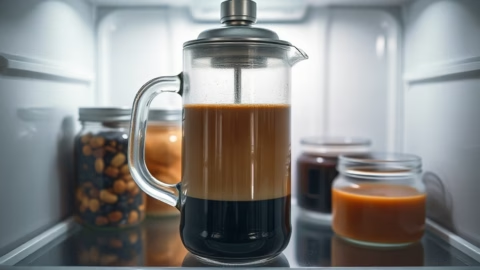
Steeping in the refrigerator (not at room temperature) for the full duration is important — room-temperature steeping speeds extraction unpredictably and increases the risk of both over-extraction and, for longer steeps, food safety concerns given tea’s lower acidity compared to coffee.
The Process
- Combine loose leaf tea (or bags) with cold, filtered water in a pitcher or jar at the ratio above for your tea type.
- Stir briefly to make sure leaves aren’t clumped or floating dry above the waterline.
- Cover and refrigerate for the steep time appropriate to your tea type.
- Strain out the leaves (a fine mesh strainer or nut milk bag works well for loose leaf; simply remove bags if using bagged tea).
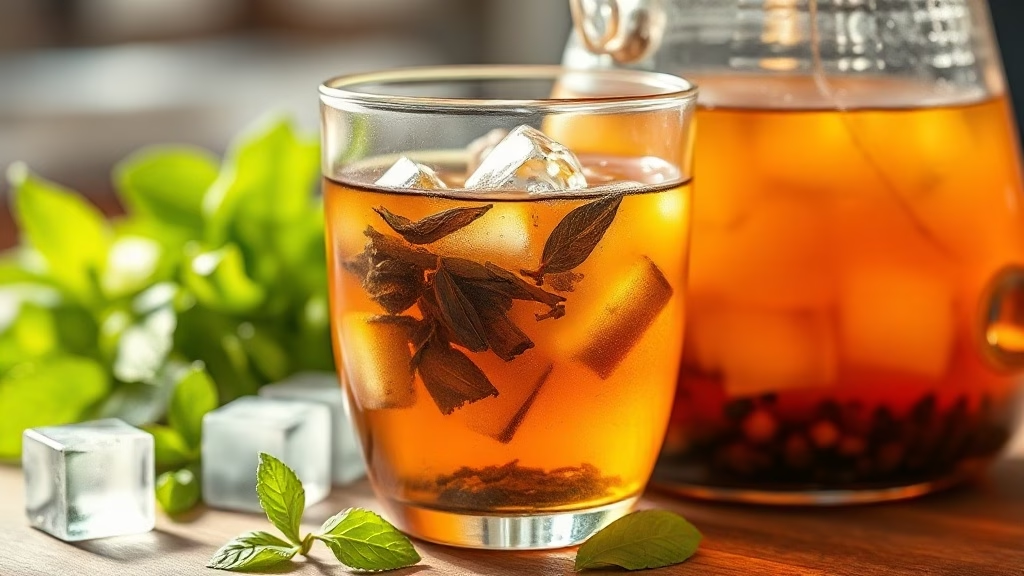
- Serve over ice, or dilute slightly if the result tastes stronger than you’d like — unlike coffee concentrate, most cold brew tea is drunk close to full strength rather than heavily diluted.
Does Cold Brewing Change Caffeine Content?
Yes, generally lower than hot-steeped tea of the same leaf-to-water ratio, since caffeine extraction is temperature-dependent and cold water pulls out less caffeine per unit time than hot water. This mirrors the same pattern seen in coffee — see our cold brew coffee caffeine breakdown for how that comparison works on the coffee side. If you want maximum caffeine from tea, hot brewing remains more efficient; cold brew trades some caffeine strength for a smoother, less bitter cup.
Common Mistakes
- Using a coffee ratio for tea. Tea needs far less leaf per volume of water than coffee needs grounds — a coffee-strength ratio produces an overwhelmingly strong, bitter tea.
- Steeping green or white tea as long as black tea. The most common cause of a bitter, disappointing cold brew tea result. Match steep time to tea type, not a single universal number.
- Steeping at room temperature to speed things up. Refrigerated steeping is both safer and produces a cleaner-tasting result — resist the urge to rush it on the counter.
Can You Mix Tea and Coffee Cold Brew?
Yes — a small amount of cold brew tea (particularly black tea) blended with cold brew coffee concentrate is a real and increasingly popular combination, sometimes called a "coffee-tea" or referencing Thai-style iced tea-coffee hybrids. Start with a small ratio of tea to coffee (roughly 1:4) and adjust to taste, since tea’s tannins and coffee’s own bitterness compounds can stack unpleasantly if overdone.
See our cold brew concentrate guide for the coffee side of that pairing.