The right cold brew grind size is coarse, full stop, and getting it wrong is the single most common reason a homemade batch tastes bitter, weak, or muddy. Grind is the first lever to adjust before changing anything else in a cold brew recipe. Beans matter, your ratio matters, but if the grounds are the wrong size, no amount of fiddling downstream will save the cup. Let’s get it right once so you stop second-guessing every jar.
The Quick Answer: Go Coarse
Aim for a coarse grind: think raw sugar, coarse sea salt, or breadcrumbs. The particles should feel chunky and gritty between your fingers, not powdery. Cold brew is a long, cold, slow extraction, usually 12 to 24 hours steeping in cool water. Coarse grounds give the water more time to pull flavor evenly without rushing into the bitter compounds. They also filter cleanly, so you get a smooth concentrate instead of a silty sludge at the bottom of your jar.
Coarse is the setting because cold brew has no heat and no pressure to speed things along. Surface area is your throttle. Bigger particles, slower release, a rounder cup.
Why Coarse Matters So Much
Hot brewing extracts in minutes, so it uses fine grounds to compensate. Cold brew runs the opposite playbook. With hours instead of minutes, fine grounds would over-deliver, dumping out harsh, astringent compounds long before you ever press the plunger. Coarse particles meter that extraction so the water sips flavor gradually and stops in the sweet spot.
The second win is filtration. Coarse grounds trap against a mesh or paper filter and let the liquid flow through clean. Fine grounds slip past, clog the filter, and leave grit suspended in your concentrate. If your cold brew always tastes a little chalky, your grind is too fine.
What Happens When the Grind Is Off
Get the grind wrong in either direction and the cup tells on you fast. Too fine and too coarse both have a signature, and once you learn them you can diagnose a bad batch in one sip.
Too fine means over-extraction. You’ll taste sharp bitterness and a dry, astringent finish that lingers unpleasantly. There’s sediment in the glass, and your filter clogs, slowing the strain to a frustrating drip. The whole batch feels harsh and muddy rather than smooth.
Too coarse swings the other way into under-extraction. The brew comes out thin, weak, and sour, with a sharp, undeveloped acidity instead of the chocolatey, mellow body cold brew is loved for. It tastes watery even at a strong ratio because the water never reached the good stuff inside those oversized chunks.
Cold Brew Grind Size Chart
Here’s a quick reference for where your cold brew grind size should land and what each setting does to the final cup.
| Grind | Texture | Result in Cold Brew |
|---|---|---|
| Too fine (espresso/drip) | Powdery, like flour or table salt | Over-extracted: bitter, gritty, clogged filter, sediment |
| Medium | Like sand | Borderline: cloudier, slightly bitter, harder to filter |
| Coarse (target) | Like raw sugar or coarse sea salt | Smooth, even extraction, clean filtering, balanced body |
| Too coarse (extra coarse) | Like peppercorns or breadcrumbs | Under-extracted: weak, thin, sour, watery |
Burr vs Blade Grinder
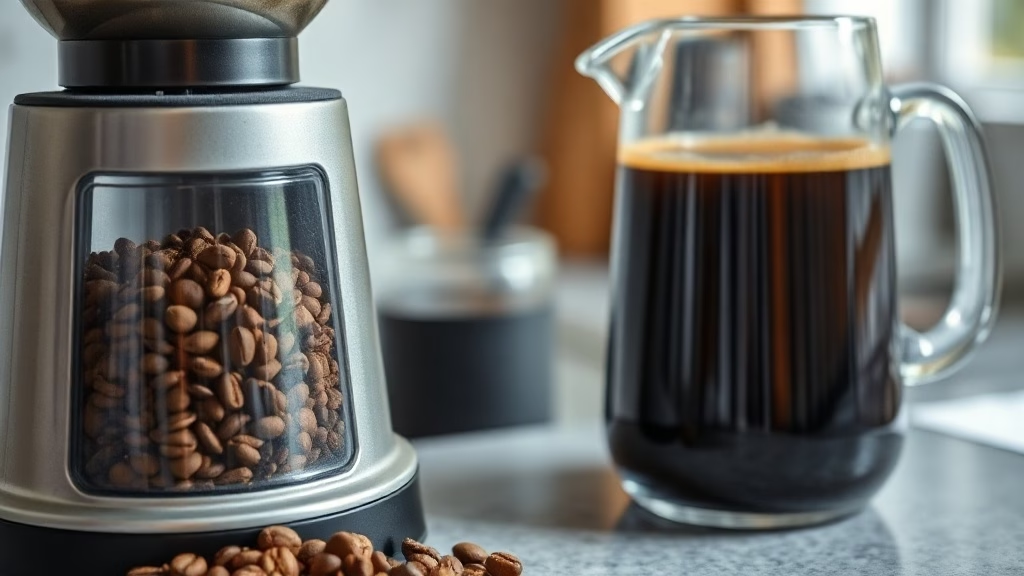
If you take one piece of gear advice from me, make it this: use a burr grinder. Burr grinders crush beans between two fixed surfaces set at a precise distance, so every particle comes out roughly the same size. That uniformity is the whole ballgame for cold brew, because even particles extract at the same rate and give you a clean, consistent concentrate.
Blade grinders, by contrast, just chop. They smash beans randomly, producing a chaotic mix of fine dust and big chunks at the same time. In cold brew that’s the worst of both worlds: the dust over-extracts and clouds the brew while the chunks under-extract and weaken it. You get muddy, unbalanced results no matter how long you set the timer. If a burr grinder isn’t in the cards yet, pre-ground coarse coffee beats a blade grinder every time.
Whole Bean vs Pre-Ground
Whole beans ground fresh right before steeping give you the best flavor, since coffee starts losing aromatics the moment it’s ground. With a burr grinder and whole beans, you control the grind exactly and capture peak freshness. That’s the gold standard.
That said, pre-ground coarse cold brew bags are genuinely convenient, and there’s no shame in using them. Many roasters sell beans ground specifically for cold brew, sparing you the equipment entirely. Our Volcanica cold brew beans and Stone Street Cold Brew Reserve are both built for this exact job, and you’ll find more options in our guide to the best coffee beans for cold brew. Either route works; just keep it coarse.
How to Grind Coarse and Dial It In
On most burr grinders, coarse is near the top of the dial, often the last few settings. Run a small test batch and look at the grounds: you want them to resemble raw sugar, chunky and distinct, not sandy. Rub a pinch between your fingers; powder means back off and go coarser.
Then taste and adjust. If your finished brew is bitter or gritty, go coarser next time. If it’s thin and sour, go a touch finer. Change one variable at a time so you can read the result, and keep your coffee-to-water ratio steady while you tune the grind. A solid cold brew maker with a fine mesh filter makes this dialing-in much more forgiving. Cold brew, much like other cold brew coffee methods, rewards patience and small, deliberate tweaks.
FAQ
Can I use regular drip grind for cold brew?
You can, but it’s a compromise. Drip grind is medium and leans toward over-extraction and cloudiness in a long cold steep. It’ll work in a pinch with a paper filter, but coarse is noticeably cleaner and smoother.
What does coarse coffee grind look like?
Like raw sugar or coarse sea salt: chunky, gritty granules you can see and feel individually. If it looks powdery like flour, it’s too fine for cold brew.
Why is my cold brew bitter even though it’s cold?
Bitterness almost always means over-extraction, and the usual culprit is a grind that’s too fine or steeping too long. Go coarser and consider shortening your steep toward 12 to 16 hours.
Does a finer grind make cold brew stronger?
It makes it more extracted and often more bitter, not better. For real strength, increase your coffee-to-water ratio and keep the grind coarse so the flavor stays clean.
The Bottom Line
Coarse is the answer, and now you know exactly why: slow even extraction and clean filtering, the two things cold brew lives and dies by. Grind like raw sugar, use a burr grinder if you can, pick up quality coarse-ground beans if you can’t, and adjust by taste one step at a time. Nail the grind and everything else, your ratio, your steep, your beans, finally gets a chance to shine. Now go make a batch worth waiting a day for.