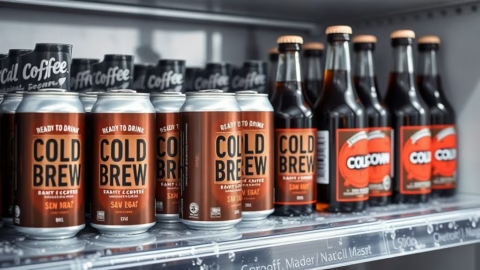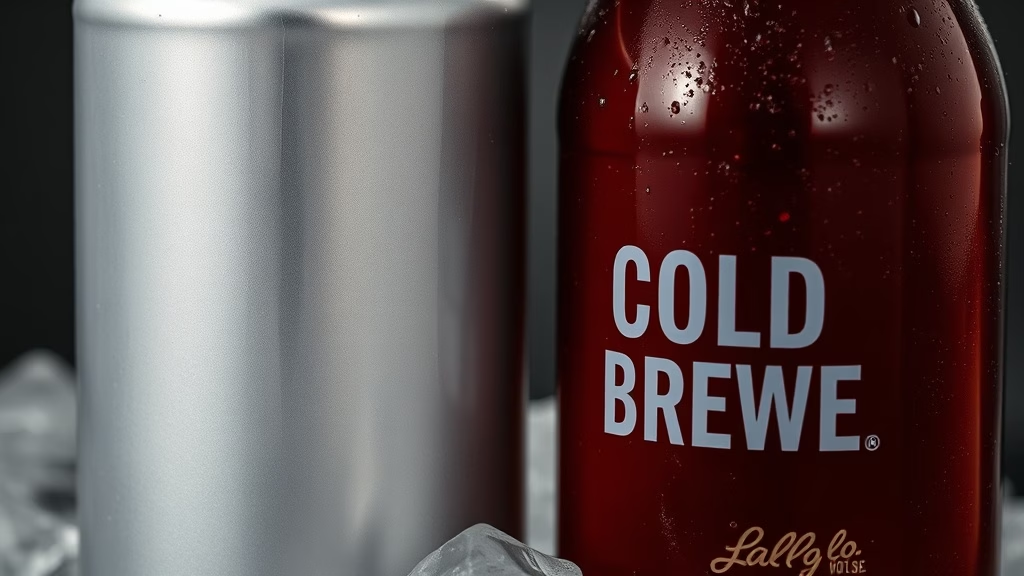
Ready-to-drink cold brew comes in three common formats — aluminum cans, glass bottles, and occasionally plastic bottles — and the packaging is not just a branding choice. It genuinely affects how the coffee inside tastes by the time it reaches you, mostly through how well each material blocks light and oxygen.
Why Packaging Matters for Coffee
Brewed coffee, including cold brew, degrades through the same basic mechanisms as ground coffee: oxidation and light exposure break down the flavor compounds over time, producing a flatter, sometimes slightly rancid taste in older product. Ready-to-drink cold brew sits on shelves and in distribution for weeks to months before you drink it, so packaging that slows this degradation meaningfully affects the product you actually taste.
Aluminum Cans
Cans are fully opaque, blocking 100% of light — a real advantage since light exposure accelerates oxidation and flavor breakdown. They’re also a strong oxygen barrier when properly sealed, and most canned cold brew is packed using nitrogen or CO2 flushing to displace oxygen in the headspace before sealing, extending shelf stability further.
Cans are also lighter, more shatter-resistant, and generally cheaper to produce and ship than glass, which is part of why the RTD cold brew category has leaned heavily toward cans in recent years. The main drawback is a perceived (not necessarily real) quality association — some consumers associate cans with mass-market convenience over premium quality, though this has shifted significantly as more specialty roasters adopted canned formats.
Glass Bottles
Glass is chemically inert and doesn’t interact with the coffee at all, which some people believe produces a “purer” taste, though this is difficult to verify in blind tests once other packaging variables are controlled for. The real issue with glass is light exposure: clear or lightly tinted glass bottles let light through, accelerating flavor degradation, especially under retail lighting or if stored anywhere near sunlight.
Amber or dark brown glass mitigates this significantly — the same principle used for beer bottling — and is a meaningfully better choice than clear glass if you’re buying bottled cold brew. Glass is heavier, more fragile in shipping, and generally more expensive to produce, which is reflected in the price of most bottled options.
Plastic Bottles
Less common for cold brew specifically, but present in some brands. Plastic is a weaker oxygen barrier than either glass or aluminum, meaning plastic-bottled cold brew generally has the shortest practical freshness window of the three formats. It’s also more permeable to light unless heavily tinted. Plastic’s main advantage is cost and shipping weight, not product quality.
What This Means When You’re Shopping
- Prioritize cans or dark glass over clear glass or plastic if freshness is a priority.
- Check the production or best-by date regardless of packaging — even the best packaging can’t fix product that’s already been sitting for months.
- Store your own bottles/cans away from light and heat after purchase, especially if in clear glass — a pantry or fridge shelf away from windows extends the practical freshness window regardless of the original packaging.
- Once opened, refrigerate and drink within a few days — packaging only protects unopened product; oxidation resumes as soon as the seal is broken.
Does It Actually Change the Taste You’ll Notice?
For product consumed reasonably close to its production date, the difference between well-made canned and dark-glass-bottled cold brew is often subtle enough that most people wouldn’t identify it in a blind taste test. The packaging difference becomes much more noticeable in older product, or with clear glass or plastic that’s been exposed to light for an extended period — that’s where you’re more likely to taste a flat, stale, or slightly off flavor compared to a can of the same age.
See our tested ready-to-drink picks across both packaging formats, evaluated on freshness and flavor.