
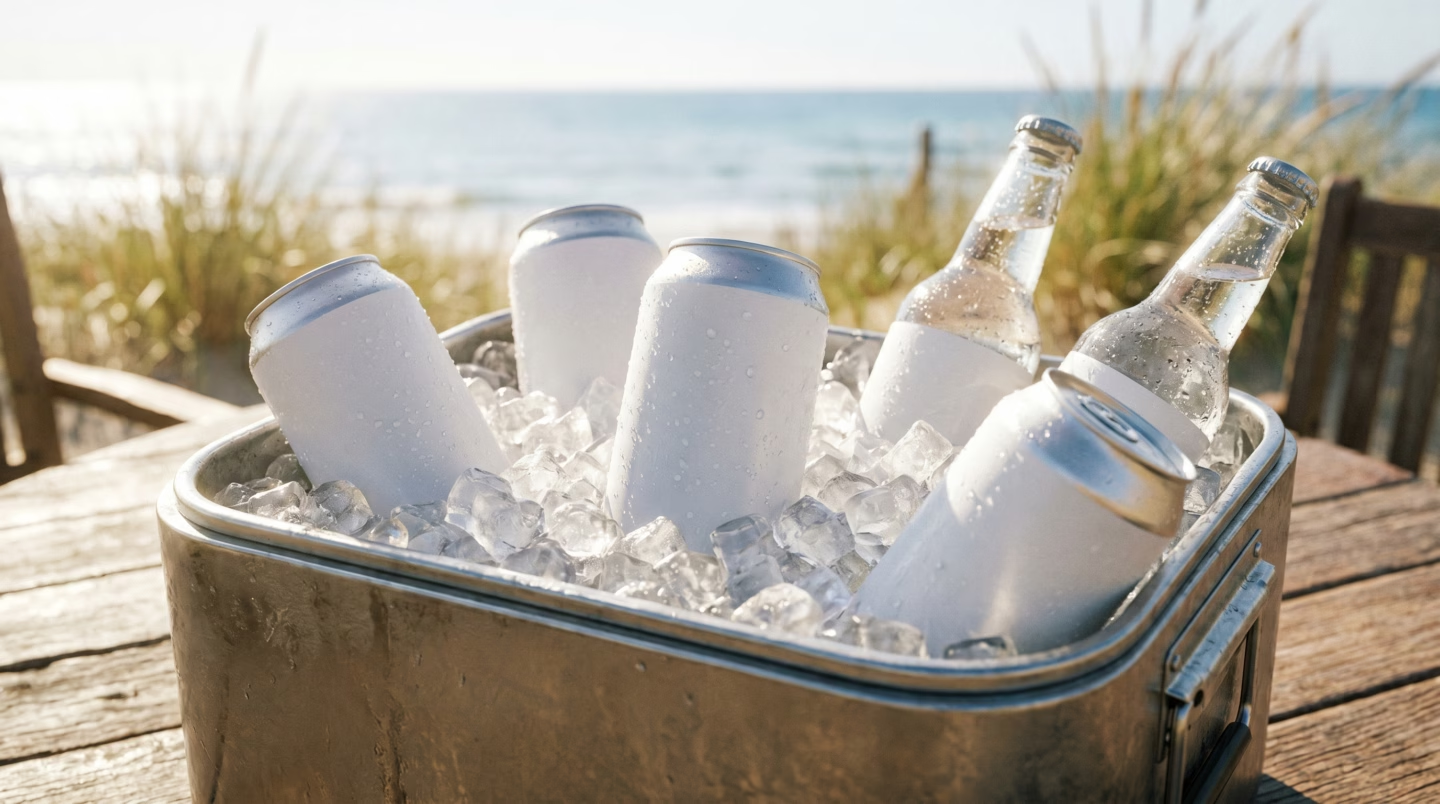
The best ready to drink cold brew gives you the slow-steeped, low-acid coffee we obsess over at the cafe without the 18-hour wait or the cleanup. As someone who runs cold-brew taps for a living, I’ll be honest: nothing in a carton or can beats a fresh batch dialed in by hand. But on a packed morning, or in a cooler headed to the trailhead, ready-to-drink (RTD) coffee earns its place. No grinding, no steeping, no straining: you open it, you pour it, you go.
This guide ranks three RTDs we actually keep in our own fridge. I’ll tell you what each one does well, where it falls short, and how to match a pick to how you drink. No hype, no invented scores: just what’s in the glass.
Our top picks at a glance
Three very different bottles and cans, three different jobs. Here’s the short version before we get into each one. Every pick links to our full product page where you can check current details.
| Pick | Best for | Notes |
|---|---|---|
| Stumptown Cold Brew (Original) | Best overall | Roaster-grade, bold and chocolatey, smooth black; multi-serve carton; premium price; unsweetened. |
| Chameleon Organic Cold-Brew | Best organic | USDA organic, clean and balanced; RTD or concentrate; milder; heavy glass bottle. |
| High Brew Coffee Cold Brew | Best canned / portable | Shelf-stable single-serve cans, low-acid, smooth; great for travel; flavored cans lean sweet. |
Stumptown Cold Brew (Original) — best overall
If you want one RTD that tastes like it came from a serious roaster, this is it. Stumptown’s Original carton pours dark and full-bodied, with the kind of deep chocolatey, slightly cocoa-bitter backbone we look for in a cold brew built to drink black. It’s smooth without being thin, and it doesn’t fall apart when you add a splash of milk or pour it over a tall glass of ice.
The carton format is the quiet hero here. It’s multi-serve, so it’s the most natural fit for someone drinking cold brew at home most days rather than grabbing a single can. The Original is unsweetened, which for us is a plus: you control where it goes. Stumptown is also widely available, so restocking isn’t a treasure hunt.
What we don’t love: it sits at a premium price, and once that carton is open it’s on the clock like any fresh brew. If you only drink coffee occasionally, you may not finish it at its best.
- Pros: bold, roaster-grade flavor; smooth enough to drink black; multi-serve carton; unsweetened; easy to find.
- Cons: premium price; carton is less grab-and-go than a can; best finished within days of opening.
See full details on our Stumptown Cold Brew product page.
Chameleon Organic Cold-Brew — best organic
Chameleon is the pick we reach for when someone wants USDA organic without giving up drinkability. It’s clean, smooth, and balanced — noticeably milder than a bold roaster brew like Stumptown, which is exactly why some people prefer it. There’s no harsh edge, no over-roasted bitterness, just an easygoing cup that plays nicely with milk or oat milk.
It also comes in two forms: ready to drink and as a concentrate. That flexibility is genuinely useful. The RTD is your pour-and-go option, while the concentrate lets you dial strength up or down (if concentrate is your thing, our cold brew concentrate guide goes deeper).
What we don’t love: the glass bottles are heavy and not ideal for tossing in a bag, and if you like a big, assertive coffee punch, Chameleon’s milder profile may read as a little tame. For organic buyers and folks who take their cold brew with milk, though, it’s our top recommendation.
- Pros: certified USDA organic; clean, smooth, balanced; available RTD and as concentrate; great with milk.
- Cons: milder than bold brews; heavy glass bottles; less portable.
See full details on our Chameleon Organic Cold-Brew product page.
High Brew Coffee Cold Brew (Can) — best canned / portable
When the goal is portability, High Brew wins without much argument. These are shelf-stable single-serve cans, which means you can stash them in a bag, a glovebox, or a cooler and not worry about refrigeration until you’re ready. For travel, road trips, and the gym, that’s the whole ballgame.
The coffee itself is smooth and low-acid, easy to drink straight from the can. It’s a friendly, approachable cup rather than a heavy roaster brew, and that suits the on-the-go use case well. The single-serve format also means no half-finished carton going stale.
What we don’t love: the flavored cans lean sweet, so if you want your coffee black, stick to the plainer options and read the can. Each serving is also smaller than a carton pour, so heavy drinkers will go through cans quickly (and the per-serving cost adds up). For one clean coffee you can take anywhere, it’s hard to beat.
- Pros: shelf-stable, single-serve cans; genuinely portable; smooth and low-acid; no waste.
- Cons: flavored versions lean sweet; smaller serving per can; cost per ounce adds up.
See full details on our High Brew Cold Brew product page.
How to choose the best ready to drink cold brew
Picking the best ready to drink cold brew comes down to a few honest questions: where will you drink it, how do you take it, and what matters most to you in the cup. Here’s how we’d walk a customer through it at the counter.
Carton vs. can vs. bottle
Cartons (Stumptown) are best for daily home drinking: multi-serve and economical per pour, but they need the fridge and a few days’ attention once opened. Cans (High Brew) are the travel champions: shelf-stable, single-serve, no waste, but smaller pours. Glass bottles (Chameleon) feel premium and keep flavor clean, but they’re heavy and less bag-friendly.
Black vs. sweetened
If you drink coffee black, prioritize unsweetened options like Stumptown Original or plain Chameleon, and check labels carefully — many flavored RTDs, including several High Brew cans, lean noticeably sweet. Sweetened cans can be a treat, but they’re closer to a coffee drink than straight cold brew.
Organic
If certification matters to you, look for the USDA organic seal rather than vague “natural” wording. Chameleon is our go-to here. We never assume a certification a product doesn’t clearly state.
Strength and flavor
Bold, chocolatey, drink-it-black character points you to Stumptown. A milder, balanced, milk-friendly cup points to Chameleon. High Brew sits in the easygoing middle. There’s no “best” strength — only the one you’ll enjoy finishing.
Value
Compare cost per serving, not just sticker price. A premium carton can be cheaper per glass than single cans, while cans buy you convenience and zero waste. Match the math to how often you actually drink it.
How we test
We taste every cold brew the way we’d serve it: chilled, in a clear glass, first black and then with a measured splash of whole milk and of oat milk. We note body, acidity, bitterness, sweetness, and how the flavor holds up over ice as it dilutes.
Because RTD is about convenience, we also judge the practical stuff: how easy the package is to open and pour, how it travels, and how the coffee tastes a few days after opening (for multi-serve formats). We buy the products we drink and we report what we don’t love alongside what we do. We never invent prices, ratings, stock, or certifications — if a detail isn’t confirmed, we leave it out.
FAQ
Is ready-to-drink cold brew worth it versus brewing your own?
For convenience, yes. RTD skips the 12-to-24-hour steep, the straining, and the cleanup, and it travels in ways a home batch can’t. Fresh homemade cold brew still tastes best and costs less per cup, so we think of RTD as the smart shortcut rather than a full replacement.
Should I get black (unsweetened) or sweetened?
If you want to taste the coffee and control your own milk and sweetener, choose unsweetened (Stumptown Original, plain Chameleon). Sweetened and flavored cans are fine as an occasional treat, but always read the label — sweetness levels vary a lot between products.
How long does RTD cold brew last once opened?
Treat an opened carton or bottle like fresh coffee: keep it cold and finish it within a few days for the best flavor. Always follow the date and storage guidance printed on the package. Single-serve cans sidestep this entirely, since you finish each one in a sitting.
How much caffeine is in ready-to-drink cold brew?
Cold brew is often brewed strong, so caffeine can run higher than typical iced coffee, but it varies widely by product and serving size. Check the label for specifics, and read up on caffeine if you’re watching your intake. We never estimate caffeine numbers a brand doesn’t publish.
Can I drink RTD cold brew over ice or with milk?
Absolutely. Bold picks like Stumptown hold up well over ice and with milk; milder ones like Chameleon shine with a splash of dairy or oat milk. Just remember ice dilutes as it melts, so a stronger brew keeps its character longer.
The verdict
If you want one bottle to rule the fridge, Stumptown Cold Brew is our best overall: bold, smooth, and built to drink black. For certified organic with an easygoing, milk-friendly profile, choose Chameleon. And when portability is everything, High Brew’s shelf-stable cans go anywhere you do. Any of the three is a worthy ready-to-drink pick — match it to how and where you actually drink.
Want to keep exploring? Browse our full ready-to-drink cold brew category, or go deeper with our guides to the best cold brew concentrate and the best nitro cold brew maker. Whatever you pour, here’s to slow-steeped coffee made easy.