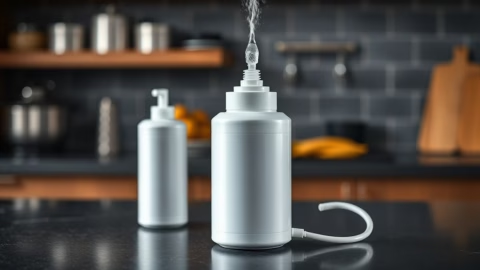
If you want to learn how to make nitro cold brew at home, you only need three things: smooth cold brew coffee, a way to infuse it with nitrogen, and the patience to pour it right. Nitro cold brew is regular cold brew that has been charged with nitrogen gas (N2) instead of carbon dioxide. That tiny gas swap is the whole magic. Nitrogen forms much smaller bubbles than CO2, so instead of a sharp fizzy bite you get a velvety mouthfeel, a faint natural sweetness, and that mesmerizing cascading head that settles into a tight, creamy crown like a stout beer.
I started serving nitro at my cafe because customers kept asking why the cold brew at home never looked or tasted the same. The answer is almost always the nitrogen and the pour. Get those right and you can match cafe quality on your kitchen counter. This guide walks through exactly what gear you need and the four steps that matter most.
What Is Nitro Cold Brew?
Nitro cold brew is cold-brewed coffee infused with nitrogen under pressure. Because nitrogen is barely soluble in water, it comes out of solution in microscopic bubbles when the pressure drops at the tap or nozzle. Those bubbles create the signature surge-and-settle cascade and a dense foam head. The coffee tastes rounder and creamier than flat cold brew, often sweet enough to skip milk and sugar entirely. If you want the deeper science, the Wikipedia entry on nitro coffee is a solid, non-commercial primer.
What You Need
Before you can make nitro cold brew, gather your equipment. The list is short, but each piece does real work.
- Smooth cold brew concentrate or ready-to-drink cold brew. Quality in equals quality out. A clean, low-bitterness brew shines under nitrogen.
- A nitro maker, dispenser, or infuser. This is the heart of the setup. Options range from countertop pressurized kegs to handheld infuser wands.
- Nitrogen source. Most home systems use N2 cartridges (sometimes labeled for whipped cream or specifically for nitro). Some use food-grade N2O for whipping, but pure N2 gives the cleanest cold brew result.
- A tall, chilled glass. The cascade is half the experience, so use clear glass.
If you are still choosing hardware, our guide to the best nitro cold brew maker compares the main styles side by side. Two reliable picks worth knowing are the keg-style uKeg Nitro Cold Brew and the compact Hapith nitro maker.
How to Make Nitro Cold Brew in 4 Steps
Here is the full process, start to finish. None of it is hard; the details just reward a little care.
Step 1: Brew Strong, Smooth Cold Brew
Nitro amplifies whatever you put in, so start with a clean, full-bodied base. Use a coarse grind and a generous coffee-to-water ratio, then steep 12 to 18 hours in the fridge. Many home brewers find a stronger ratio works best because nitrogen mutes some intensity. If you are unsure where to land, our cold brew ratio guide breaks down concentrate versus ready-to-drink strengths. Filter thoroughly so no fine sediment clogs your infuser nozzle later.
Step 2: Chill It Completely
Cold liquid holds gas far better than warm liquid, and nitrogen is no exception. Refrigerate your cold brew until it is genuinely cold, ideally near freezing but not frozen. Warm or even room-temperature coffee will refuse to hold a proper charge, and your head will collapse in seconds. If you are in a hurry, a short rest in the freezer or an ice bath works, but never skip this step. Cold coffee in equals a stable, lasting cascade out.
Step 3: Charge or Infuse With Nitrogen
Fill your dispenser to its marked line, leaving headspace for the gas to work. Seal it, then charge it with your nitrogen cartridge according to your device’s instructions. For pressurized kegs, you load N2 and let it saturate the coffee over a few minutes to several hours. For handheld infusers, you charge, shake firmly for several seconds, and serve almost immediately. Either way, let the coffee absorb the gas before you pour. Rushing this stage is the number one reason a head comes out thin.
Step 4: Pour Hard for the Cascade
This is where the show happens. Hold your chilled glass at an angle and dispense with confidence, all the way open, so the coffee jets against the glass wall. That sharp pressure drop releases the nitrogen and triggers the cascading surge. Let it tumble and settle for fifteen to twenty seconds until a creamy tan head forms on top. A timid, slow pour produces a flat result, so commit to it. Then drink it as is, no straw, sipping through that foam.
Tips for the Best Head
The crown of foam separates a good nitro from a great one. A few habits make it reliable.
- Keep everything cold: coffee, dispenser, and glass.
- Filter your cold brew well; oils and fines weaken foam stability.
- Do not overfill the dispenser, the gas needs room.
- Pour fast and at an angle to maximize agitation.
- Serve fresh; nitro is best within a minute or two of pouring.
Pressurized Keg vs. Infuser
Both routes make excellent nitro cold brew, but they suit different people. A pressurized keg system, like a uKeg, holds a larger batch under constant nitrogen pressure and dispenses through a stout-style tap with a restrictor plate. It delivers the most authentic cafe cascade and keeps coffee fresh for days, but it costs more and takes counter space.
A handheld infuser or whipper charges a single serving or small batch on demand. It is cheaper, compact, and quick, though the head is slightly less dense and you recharge for each round. If you drink nitro daily, a keg pays off. If you want occasional treats without commitment, an infuser is plenty.
Troubleshooting a Flat or Weak Head
If your nitro pours flat, work through the usual suspects. The most common culprit is temperature: coffee that is not cold enough will not hold nitrogen, so chill it harder. Next, check your charge. A spent or improperly seated cartridge under-gasses the batch, so confirm a firm seal and a fresh N2 source. A timid pour is the third offender; open the tap fully and let it jet. Finally, an overfilled dispenser leaves no headspace for gas to dissolve. Fix those four and a weak head almost always firms up.
Frequently Asked Questions
Do I need special nitrogen cartridges?
For true nitro flavor and texture, use pure N2 cartridges. Standard whipped-cream chargers use N2O, which can work in a pinch but adds a slightly different taste and softer head. Check that your device specifies which gas it takes.
Can I make nitro cold brew without a machine?
Not really, at least not authentically. The cascade and creamy head depend on infusing nitrogen under pressure, which requires a dispenser, keg, or infuser. Shaking coffee in a jar will not replicate it.
How long does nitro cold brew stay fresh?
In a sealed pressurized keg, the coffee itself stays good for several days to about two weeks, and it holds its charge as long as pressure remains. Once poured, drink it within a minute or two while the head is at its peak.
Is nitro cold brew stronger in caffeine?
Not inherently. The caffeine comes from the cold brew base, not the nitrogen. It can taste bolder and is often served without dilution, but ounce for ounce it is not automatically more caffeinated.
Conclusion
Learning how to make nitro cold brew comes down to four repeatable moves: brew a clean strong base, chill it thoroughly, charge it with nitrogen, and pour hard for the cascade. Nail those and you will pour a creamy, cafe-quality glass at home for a fraction of the price. Start with whatever dispenser fits your routine, dial in your cold brew strength, and enjoy that velvety head every single time.